Make every
site visit count
It's not about getting more clicks, it's about getting clicks that convert. We help you capture hidden value from your existing campaigns and audience without increasing spend.
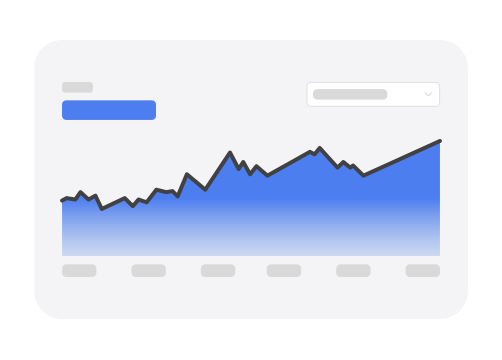
Driving traffic is only half the battle. Turning that traffic into customers is where growth really happens. Conversion Rate Optimization (CRO) focuses on refining your site's design, flow, and messaging to maximize results from the visitors you already have.
Through data, testing, and smart design decisions, we help you capture more value without increasing ad spend.
No magic. Just a formula that works
Lift your conversion rateBoost your conversion rate.
Our CRO services go beyond quick fixes. We dig into how visitors interact with your site, uncover friction points, and run structured experiments to remove barriers. Every change is tested, tracked, and built to improve conversions where it matters most.
Whether your goal is more leads, higher e-commerce sales, or deeper engagement, we focus on turning insights into compounding results.
CRO services:
- A/B testing
- User behaviour analysis
- Landing page optimization
- E-commerce flow optimization
- Site speed + performance
- Conversion funnel analysis
- CTA + form optimization
- Mobile optimization
Why Lifted?
We’ve worked with seven- and eight-figure e-commerce brands, running hundreds of tests to see what actually moves the needle. That playbook shapes every CRO roadmap we build.
At Lifted, we don’t guess. We test, track, and roll proven winners into your site so it’s not just “optimized once,” it’s always getting sharper.
Let's PartnerBrowse our
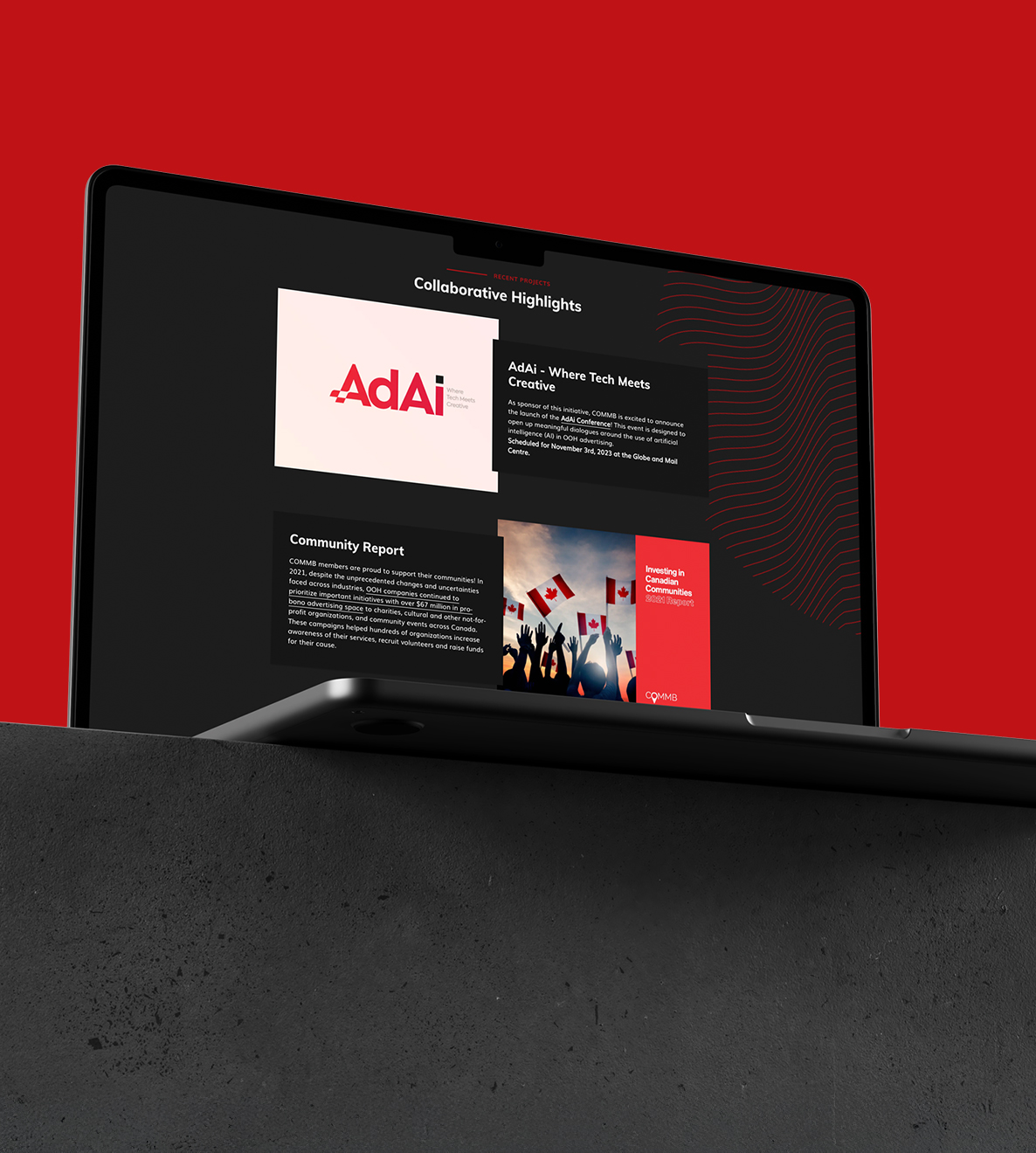
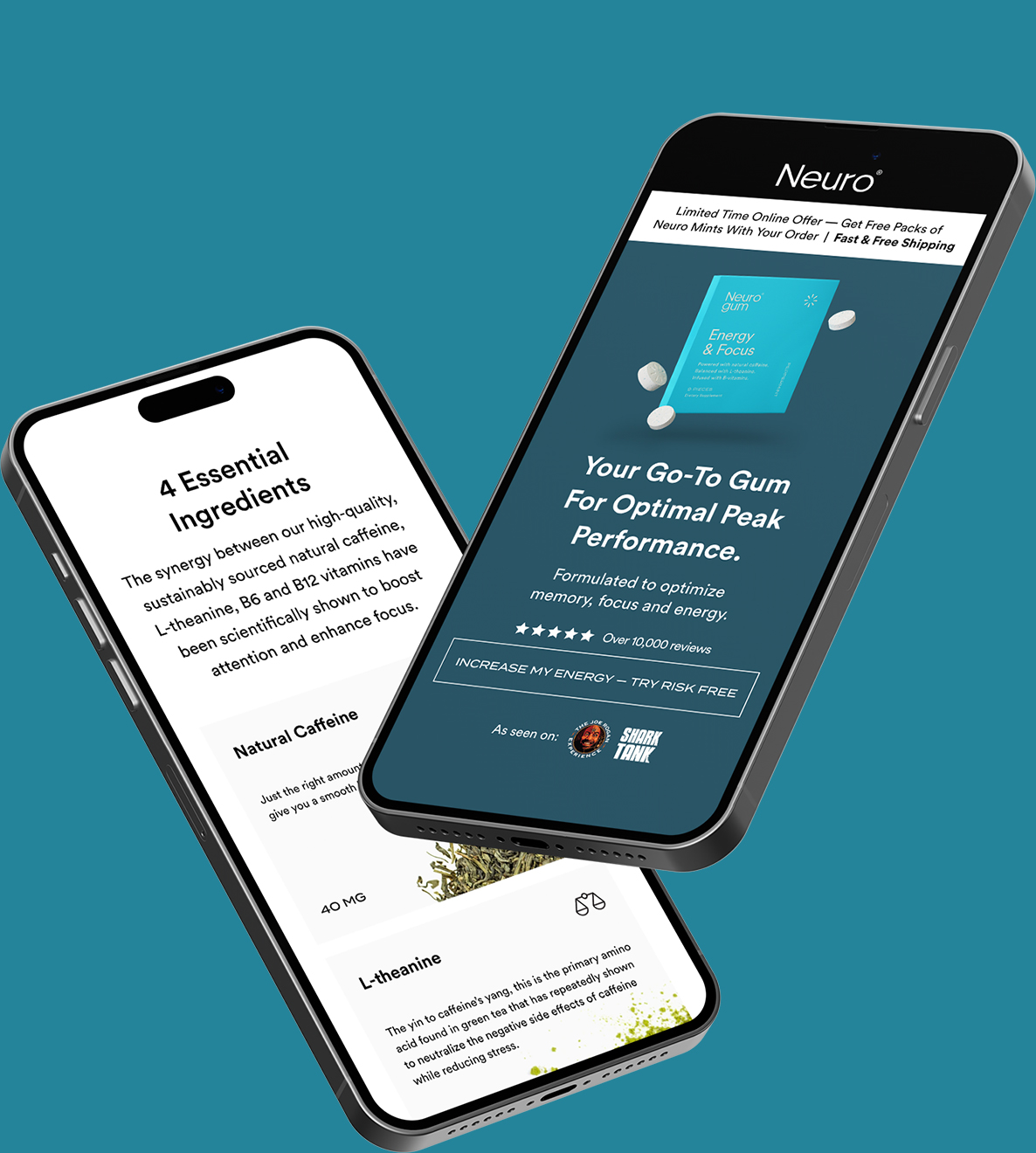
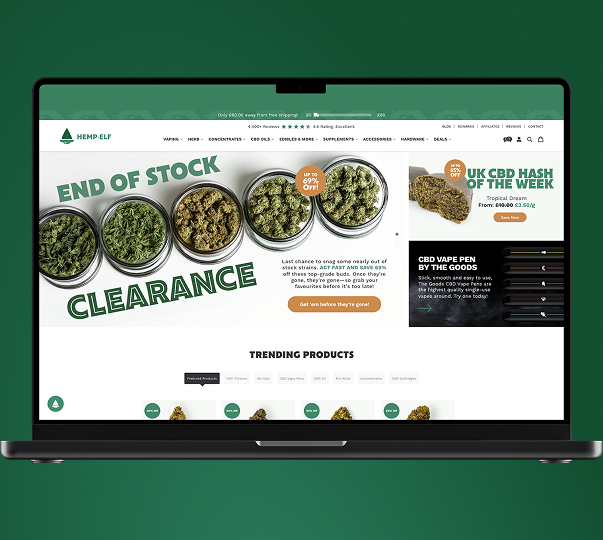
project highlights

Got questions about conversion rate optimization?
What is Conversion Rate Optimization (CRO)?
CRO is the practice of improving how effectively your site turns visitors into leads, customers, or whatever “conversion” matters most to you.
That can mean refining layouts, copy, forms, CTAs, and flows so more of the right visitors actually take action. It’s about making better use of the traffic you already have, not just buying more clicks.
Why is CRO important for my business?
If you’re already investing in traffic—SEO, ads, social. CRO makes that spend work harder. Even small lifts in conversion rate can mean a big difference in revenue or lead volume without increasing budget.
CRO also gives you clarity. Instead of guessing what to change next, you get a testing roadmap and proof of what actually moves the needle, so future decisions are less “gut feel” and more data-based.
How do you measure conversion rates?
At the simplest level, conversion rate is the percentage of visitors who complete a key action—fill out a form, request a quote, start a checkout, complete a purchase, book a call, etc.
We set these up as clear goals or events in analytics tools (like GA4) and, where needed, in A/B testing platforms. That way we’re not just looking at “sessions” but tracking which changes lead to more of the actions that actually matter to your business.
What tools do you use for CRO?
We typically combine analytics (e.g., GA4), heatmaps and session recordings, form + funnel tracking, and an A/B testing platform to run experiments and measure impact. The exact stack depends on your site and budget.
What's the difference between CRO and SEO?
SEO is about getting the right people to your site. Earning visibility and traffic from Google and other search engines. CRO is about what happens once they land there. How many of those visitors actually convert.
They work best together. SEO sends qualified visitors; CRO makes their path clearer, faster, and more compelling so more of them turn into leads or customers instead of drifting away.
How long does it take to see results from CRO?
For sites with decent traffic, you can start seeing test results in a few weeks. Once an experiment has enough data to be trustworthy. From there, we “graduate” winning variants into your live experience.
CRO is ongoing, though. The real value comes from running a steady cadence of experiments over months, so those wins stack on top of each other instead of being one-off tweaks.
What types of businesses benefit most from CRO?
CRO works best for businesses that already have good-sized traffic and a clear conversion goal. E-commerce brands, SaaS, lead-gen sites, and service businesses with quote/booking flows.
If you’re spending on ads, seeing steady visitors, but feel like “something is off” in how they move through the site, CRO is usually one of the highest-ROI places to focus next.
How do you decide what to test first?
We start with research: analytics, funnels, heatmaps, session replays, and your own knowledge of the business. That helps us spot high-impact friction points—pages or steps where a small lift would really matter.
From there, we prioritize tests using simple criteria like impact, effort, and confidence. Early tests usually focus on core pages (like key landing pages or PDPs) and critical steps in the funnel rather than tiny UI tweaks no one will notice.
Do you optimize for desktop and mobile separately?
Yes. Desktop and mobile often behave very differently. We look at performance and behaviour by device and, where it makes sense, design tests specifically for mobile or desktop experiences.
How many experiments do you typically run per month?
It depends on your traffic and risk tolerance. Lower-traffic sites might run one strong test at a time on key pages, while higher-traffic or e-commerce sites can support multiple experiments running in parallel on different parts of the funnel.
The goal isn’t to brag about test count, it’s to run a realistic number of meaningful experiments that can actually reach significance and tell us something useful each month.
Can CRO help if I already have high website traffic?
High traffic with average or low conversion is usually the perfect CRO scenario. You already have enough visitors to run solid tests. The opportunity is in turning more of them into customers or qualified leads.
Even small gains (a few percentage points) can add up quickly at scale. We’ll focus on the highest-value journeys first so improvements hit your bottom line as soon as possible!
How do you track and manage test results?
Each experiment gets a simple brief: hypothesis, where it runs, what we’re changing, and which metric we care about. Results are tracked in your testing tool and logged in a shared backlog so nothing gets lost once the test is over.
What happens after a winning experiment is found?
When a variant clearly outperforms the control, we “graduate” it into your live site—either by updating the page or flow directly or handing it off to your dev team with clear specs to implement.
We also log the insight behind the win (not just the version that won) so it can inform future tests.



Conversion rates and other site metrics improved substantially. Clients have included one public biopharma company, one Fortune 100 multinational machinery company, and multiple DTC brands primarily in health and beauty. We’re impressed with the conversion rate improvement.
